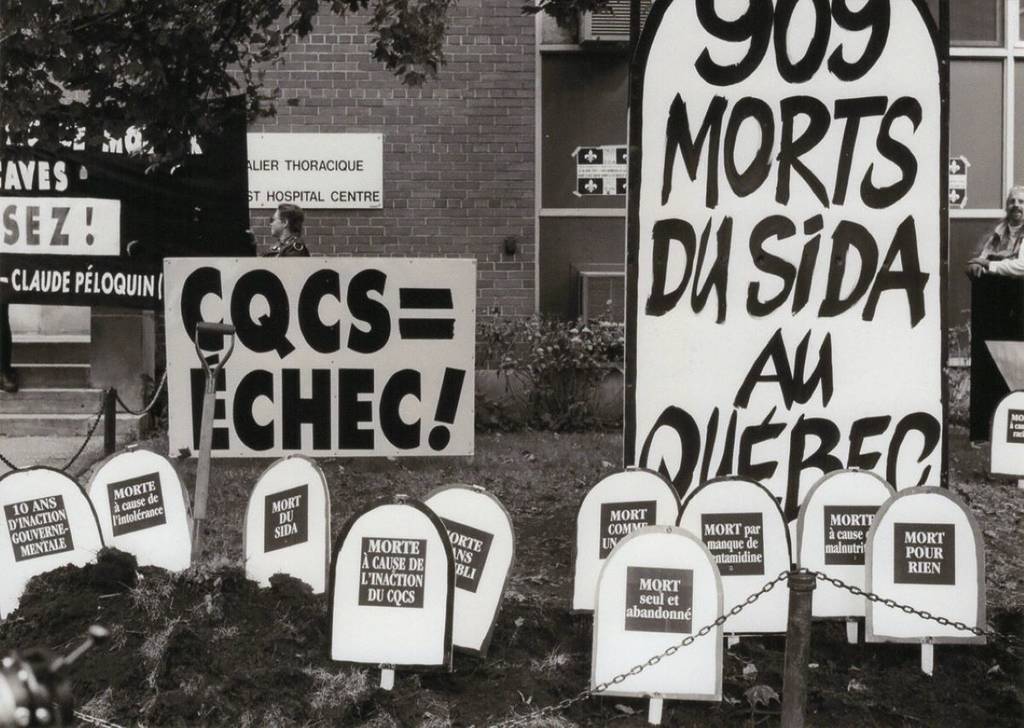
The Montreal of the 80s and 90s was, as elsewhere in the world, marked by the LGBTQIA2+ struggles and the tragedy of the HIV/AIDS epidemic that devastated the city.
The memory of the decade and of Montreal is rich and important. The horrors and victories experienced by the LGBTQIA2+ community in 1990 – the hate murders, the raid on the Sex Garage, the protests and the die-in for Joe Rose.
It’s a memory that, in today’s political climate, sometimes feels very far away, and forgotten too soon. The importance of revisiting it while some of its players are still around is vital for the LGBTQIA2+ community and for all Montrealers. And the best way to remember an era is through the eyes of its artists…
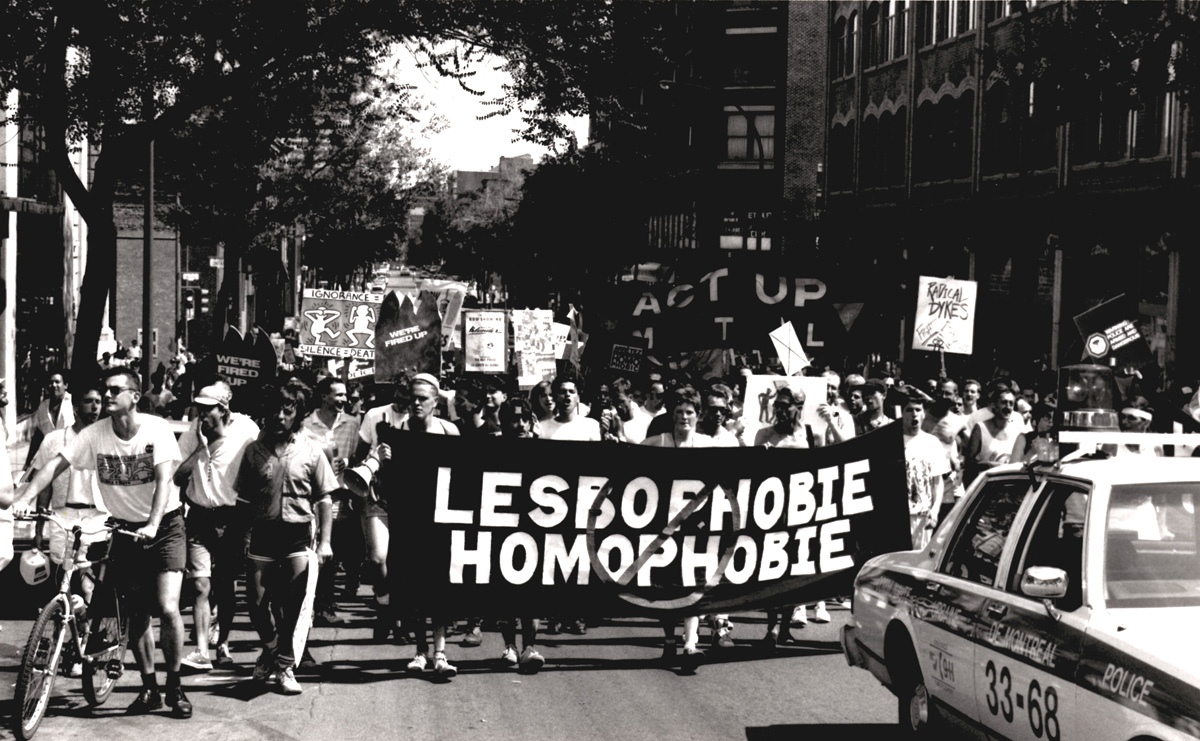
Corps Fantômes – at the theater
“Corps Fantômes” begins with a play created by the collective La Messe Basse and Théâtre Duceppe.
The play is a fictional fresco based on real events – which include the violent murders of 17 homosexuals in Montreal, the HIV/AIDS epidemic and the community uprising and solidarity of the gay community. It takes place in 1990 and 2025, through the discovery of a play buried in an old box of memorabilia.
Eight artists from the LGBTQIA2+ community participated in the creation of this play, which blends history and fiction to tell the story of their community.
“Corps fantômes is a documented fiction that fills a transmission gap. It’s a portrait of a time when Quebec culture was booming, moving towards a grand gesture of national affirmation, while a fraction of society suffered repression and opprobrium. It’s not just a theater of identity, it’s a theater of mobilization. In fact, it’s a way of saying to certain young people: “Keep fighting, your rights are in peril.“
– Dany Boudreault, script editor, and Maxime Carbonneau, director
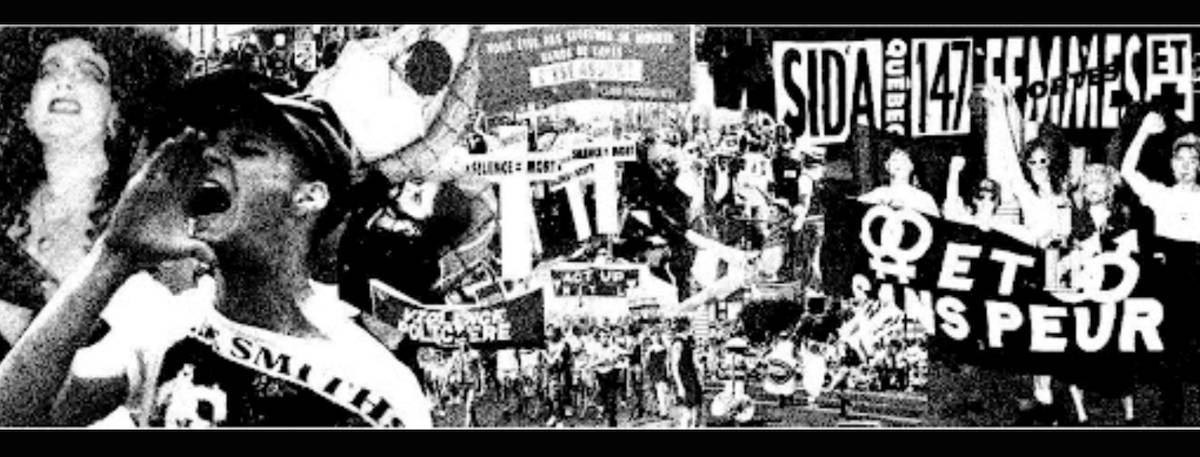
Corps Fantômes – exhibition
Duceppe has teamed up with Olivier Vallerand and the Université de Montréal’s Faculté de l’Aménagement to create a two-part exhibition to accompany the play.
The theme of the exhibition is how the mobilization of the gay community in the 80s and 90s left its mark on Montreal’s architecture, places of memory and cultural life.
Interior design students have translated Olivier Vallerand’s research into visual experiences. The two-part exhibition explores the struggles, tragic losses, solidarity and community spirit of these memories.
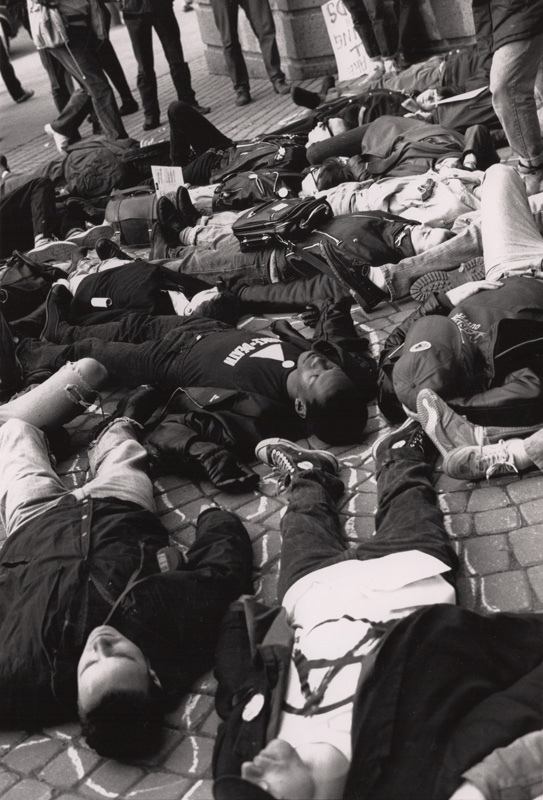
The first part of the exhibition explores the LGBTQIA2+ community’s activism and commemoration of struggles; militant signage, creation of the Parc de l’Espoir, die-ins. There’s also a space for meditation and a wall of testimonials, because memory is alive and interactive.
The second part of the exhibition features archival images and interviews inspired by the urban collages of ACT UP Montréal (Aids Coalition To Unleash Power), a collective active in the late ’80s.
Practical info
Where and when?
Part 1:
Architecture, the city and activism HIV/AIDS
Place des Arts exhibition hall, free admission
September 9 to 30, 2025, schedule:
- Monday: closed
- Tuesday to Friday: 4 pm to 8 pm
- Saturday and Sunday: 12 am to 8 pm
Part 2:
Design, media and community action
Foyer du Théâtre Jean-Duceppe
October 22 to November 22, 2025
How? freeadmission